Meeting the Demand of Electrically Driven Vehicles For Expanded Generation
A possible win for railroads, trucking, AND UTILITIES
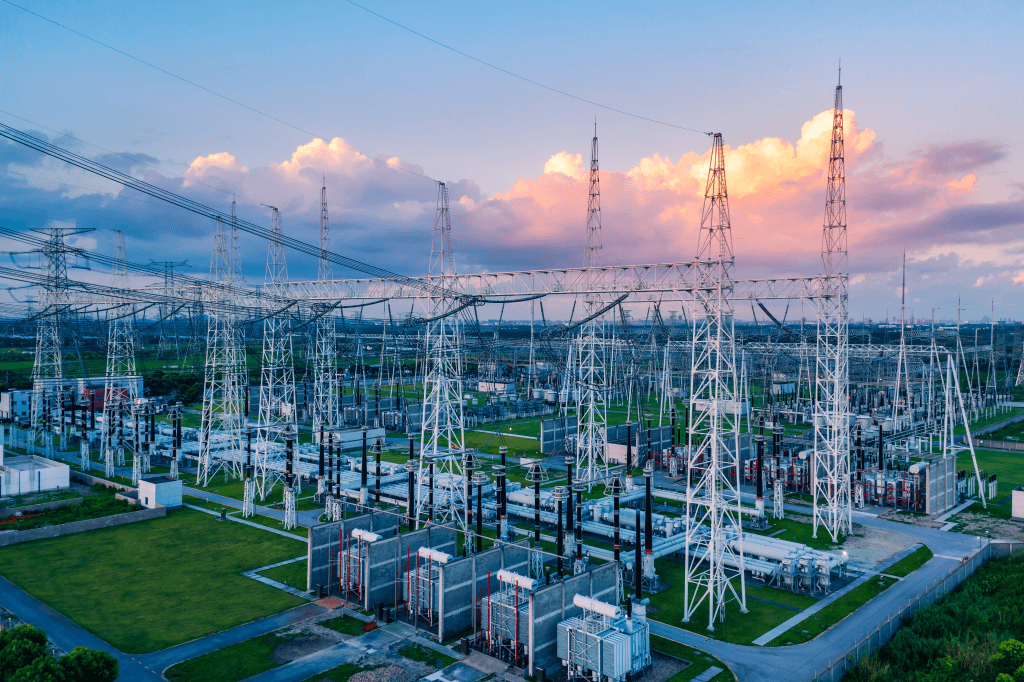
The auto industry’s commitment to electrically driven vehicles (EVs) necessitates planning for comparable development of greatly expanded power generation and distribution systems to support those vehicles.
Irrespective of the increasing need for electrical power coincident with the evolution of data centers and artificial intelligence, and prior to the recognition of this need, the Federal Energy Regulatory Commission (FERC) had predicted the country’s electrical energy generation capacity would have to double by 2050 merely to support the forthcoming evolution of electrically powered vehicles. Presumably, that will be accompanied by the necessity of corresponding growth in electrical distribution networks.
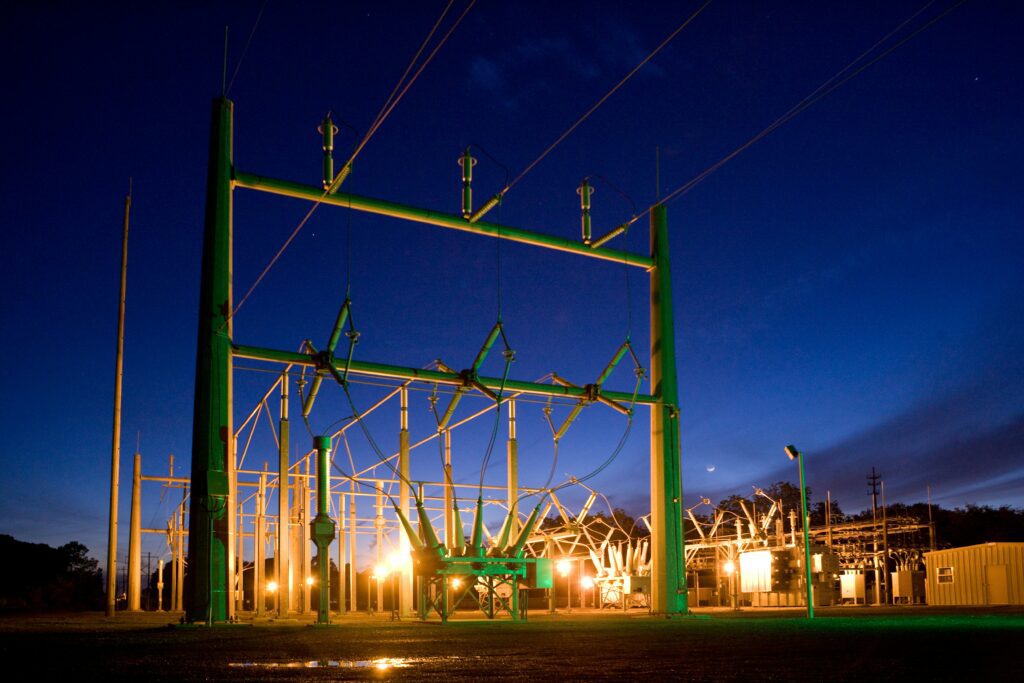
Predicted increases in the volume of shipping in coming years, will put additional pressure on highway infrastructure as additional trucks are added. Taken together with the truck industry’s expected conversion to electrically powered trucks, the FERC’s predicted need to double the country’s electrical generation capacity by 2050 may well be understated.
Compounding the challenge created by the predicted need for greatly expanded electrical power generation capacity, the electrical industry also faces its commitment to future energy generation by non-fossil-fuel, renewable resources and the likelihood that expanded distribution systems will be required to transmit that energy from where it is most likely to be produced to where it is likely to be most needed.

So where and how will the
expanded generation needed to
meet these demands be located
and transmitted to where it is
most needed?

Using AUTORRs to Ease Grid Demand
To the extent the load on that transmission network can be lessened by some other means of making that southern- and mid-western-generated electricity available to vehicles in the East and West, the demands on the electrical transmission network may also be lessened. Existing railroad infrastructure, together with travelling battery packs accompanying Autonomous Road Rail (AUTORR) vehicles may be a significant part of the answer.

Battery-Carrying Rail Cars for AUTORR Power
Battery-carrying rail cars (BCs), similar to tenders such as those which accompanied coal-steam powered locomotives, may serve as power sources, not only for electrically powered locomotives, but also for electrically driven Autonomous Road Rail (AUTORR) vehicles. Recharging such vehicles from BCs while en route would lessen the power demands they would otherwise present in their on-road service areas, lessening the demands on the electrical grid to that extent.

Utility Industry’s Role in AUTORR Development
To that end, the utility industry should have an interest in the development of such vehicles, complementing the environmental and economic benefits inherent in the utility of AUTORRs.
Electric Generation and Transmission May Also Benefit From Transportation Integration
As electrically powered trucks and railroad engines become more common, as is widely predicted, electrical utilities may also benefit from the envisioned integration of trucking and railroading.