Synergy
Synergistic Integration of Rail and Highway Transportation
The Case for RAILHIGHWAYS
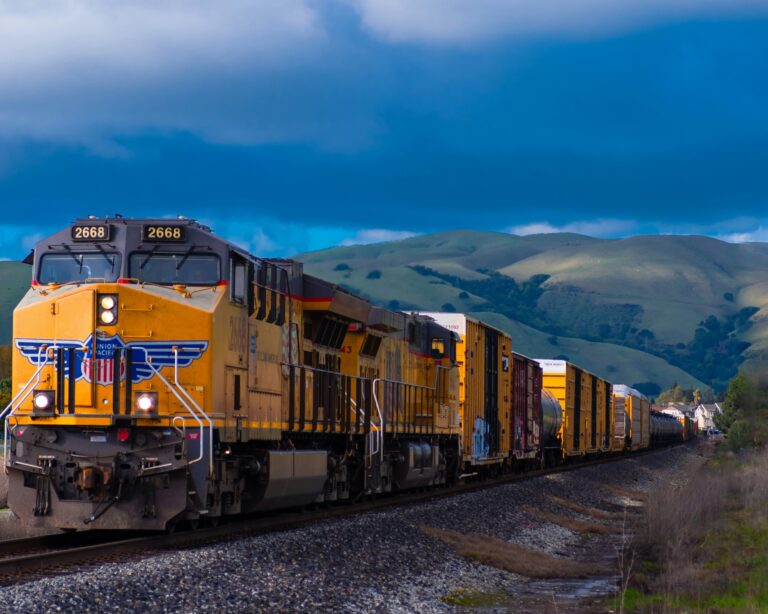
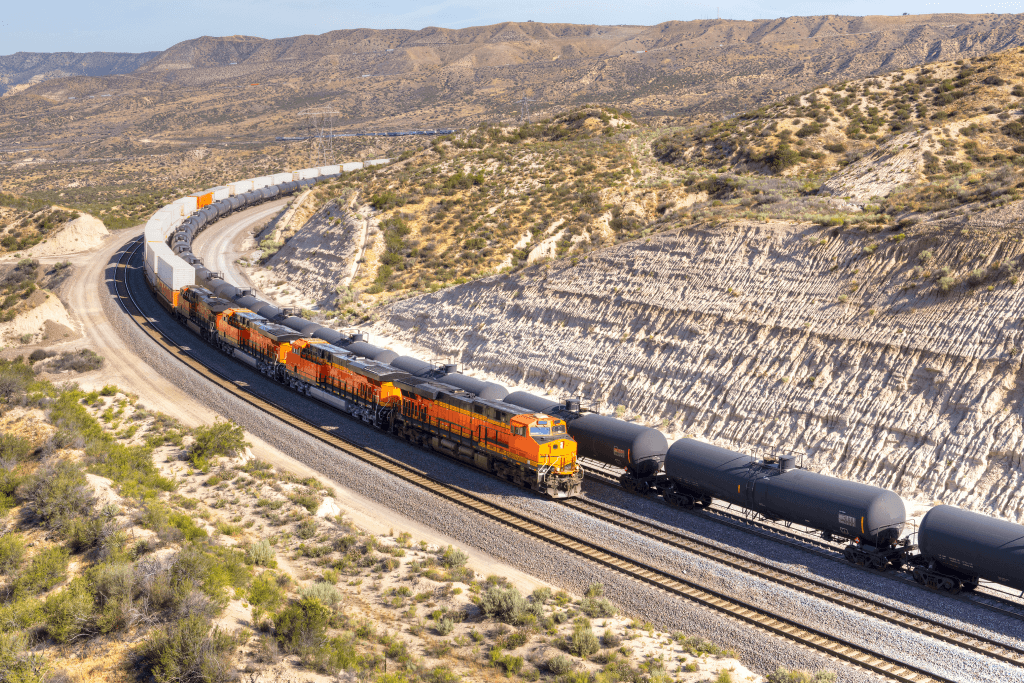
Railroad shipping, while more efficient and less damaging environmentally than trucks, cannot overcome the inherent convenience of point-to-point truck shipping.

For years, competition between the railroad and trucking industries was a zero sum game. That game has changed somewhat with the growth of intermodal shipping.

Growing truck-rail intermodal’s share of shipping volume would seem to be a logical objective of both railroads and the trucking industry.
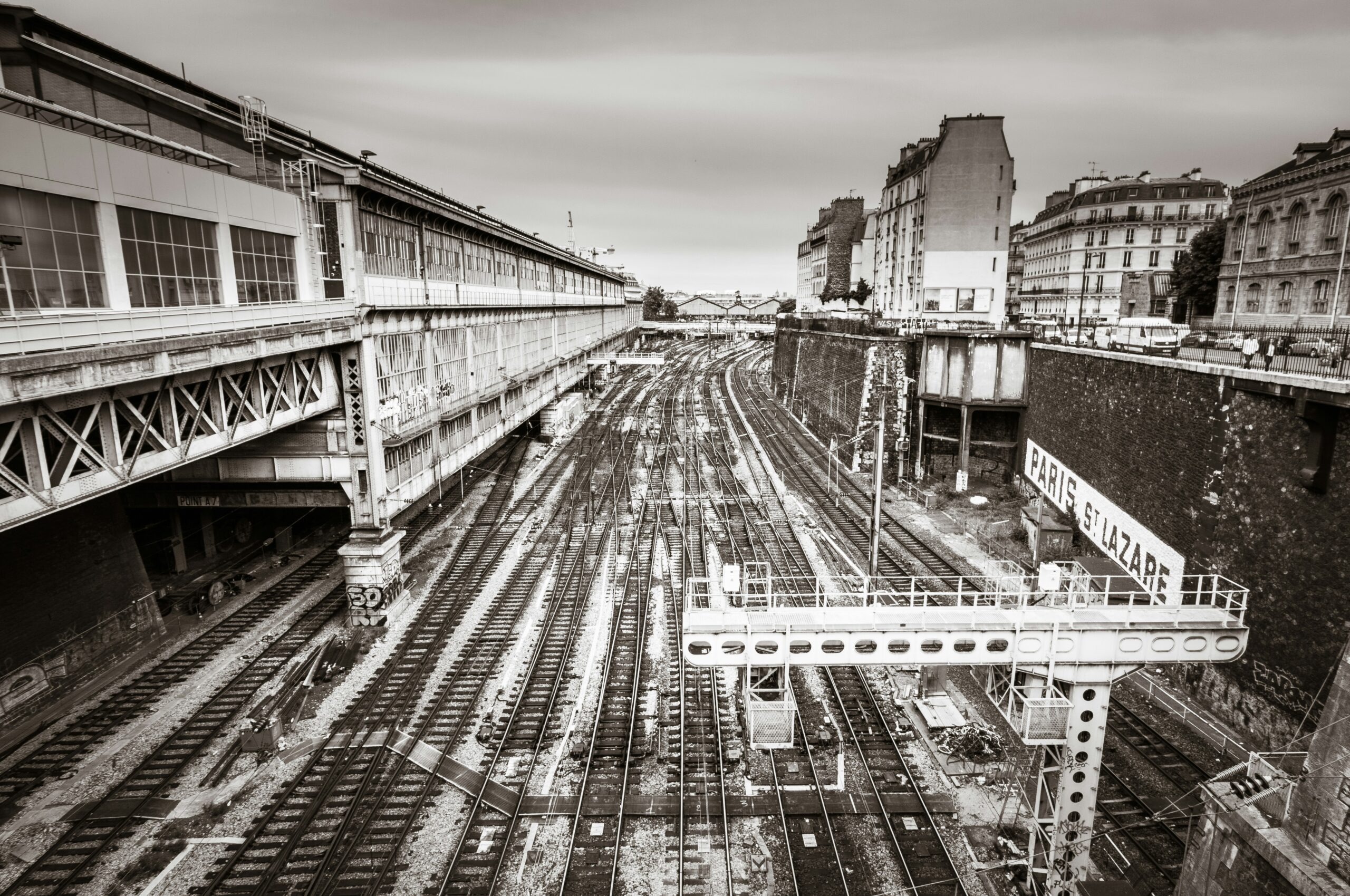
But changes in railroading, particularly computerized scheduling, the competing time and cost involved in road-to-rail and rail-to-road transition of freight load, and the time limitations imposed by train assembly, disassembly and reassembly, particularly evident in the massive marshalling yards of major rail lines, limit much more growth of the intermodal model. Artificial intelligence, the next generation of computerized scheduling, can not only schedule, but also control the various components of integrated road and rail networks.

Collectively these factors suggest that significantly increased truck-rail intermodal , free of the inherent limitations of current systems, would be a surprising win-win for both railroads and the trucking industry.

Autonomous Rail Road (AUTORR) vehicles, operating on largely unchanged current rail infrastructure functioning much like current highway infrastructure under control of artificial intelligence, could facilitate that win-win.
The inherently more efficient system and more flexible system made possible by
AUTORRs, could also facilitate a transition to shorter train lengths
The Rise of Longer Trains
Over the past several years, railroads have increasingly operated longer and longer trains. And they propose to continue doing so. Whether the public interest is served by this trend has been questioned.
Balancing Profitability and Public Interest with AUTORRs
This zero-sum game, balancing railroad profitability against the public interest, might be avoided by a counterintuitive long-term strategy enabling shorter train lengths and even individual vehicle travel over the tens of thousands of miles of existing rail lines that sit idle much of every day, all made possible by the introduction of AUTORRs.
Coexistence of Short and Long Trains Through Smart Scheduling
Nor need shorter trains of mixed cargo with multiple points of origination and destination mutually exclude longer trains carrying a single cargo from and to fixed points of origination and destination. As indicated above, computerized train scheduling, as updated with artificial intelligence, surely could accommodate both.
The Rise of Longer Trains
Over the past several years, railroads have increasingly operated longer and longer trains. And they propose to continue doing so. Whether the public interest is served by this trend has been questioned.
Balancing Profitability and Public Interest with AUTORRs
This zero-sum game, balancing railroad profitability against the public interest, might be avoided by a counterintuitive long-term strategy enabling shorter train lengths and even individual vehicle travel over the tens of thousands of miles of existing rail lines that sit idle much of every day, all made possible by the introduction of AUTORRs.
Coexistence of Short and Long Trains Through Smart Scheduling
Nor need shorter trains of mixed cargo with multiple points of origination and destination mutually exclude longer trains carrying a single cargo from and to fixed points of origination and destination. As indicated above, computerized train scheduling, as updated with artificial intelligence, surely could accommodate both.
Integrated Truck-Rail Intermodal Synergistic and Surprising
Integrating railroads’ trackage with highway-capable vehicles would undoubtedly fly in the face of one of railroads’ biggest profitability objectives, namely longer and longer trains, particularly those transporting a single commodity from and to fixed points of origination and destination. But the alternative could be surprising. And that integration might in fact be synergistic.